
Heritage Resources
Honouring Our Past – Guiding Our Future
If you’re unsure if your property is a Heritage Resource, conduct a Heritage Resource Search
Stellenbosch Heritage provide Conservation Management Guidelines for Franschhoek
The Franschhoek Trust, now FHRPA, commissioned a study by Todeschni & Japha – Guidelines for Conservation & Development Franschhoek
Useful websites:

Our Built Heritage
Franschhoek’s village streetscape tells a story that stretches back more than three centuries. The predominant architectural styles you’ll encounter are Victorian, Edwardian, and Cape Dutch Revival. A blend that reflects the valley’s layered past and the different eras that have shaped it. The oldest building in the village is the neo-gothic Dutch Reformed Church, dating from 1847.
Much of the information gathered here originated with the Heritage Route Map created by the Franschhoek Trust. The FHRPA acknowledges with gratitude all those residents who came before us: Passionate custodians who took the time to preserve the character of this valley and record its history for those who would follow.
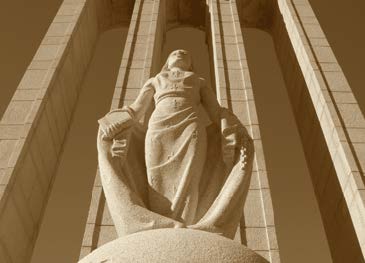
The Huguenot Monument: A Symbol Built to Last 250 Years and Beyond
At the end of Huguenot Road, with the mountains directly behind it and the village spread before it, the Huguenot Monument stands as one of the most deliberately conceived pieces of public sculpture in South Africa. Every element of its design carries meaning. Nothing…
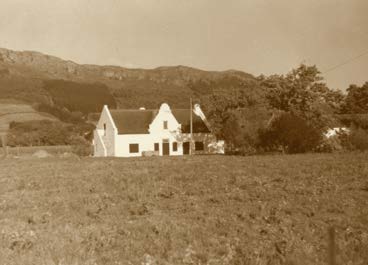
Klein Cabrière: The Homestead You Can’t Quite See
One of the more intriguing properties on Franschhoek’s heritage trail is one that most people walk past without knowing it is there. The Cape Dutch homestead on the Klein Cabrière smallholding is not visible from the street as it sits set back from the road, private…

Cabrière Street: From Huguenot Farm to Heritage Streetscape
The name Cabrière carries its history with it. This street, along with Wilhelmina and Van Wyk Streets, sits on what was originally the Huguenot farm of the same name, land that was granted to one of the first settlers in the valley and that has been gradually…
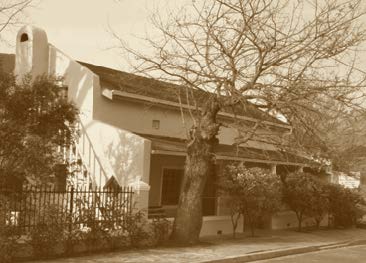
Berg Street Cottages: A Street That Remembers
West of Huguenot Road, Berg Street runs quietly away from the village’s main axis, lined on both sides with low cottages that date from between 1880 and 1910. They are not grand buildings. They were not built for grandeur. They were built for people who needed…
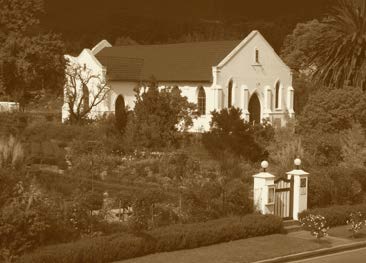
The Congregational Church: A Welsh Pastor and a Village That Needed a Translator
The Congregational Church in Franschhoek was established in 1902, and from the very beginning its story has been one of unlikely connections, determined community-building, and quiet resilience through difficult times. A Pastor Without a Shared Language The church’s…
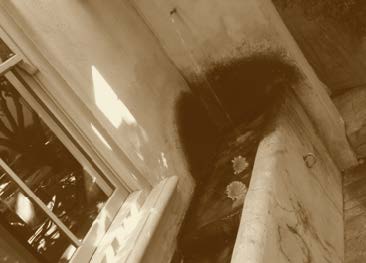
Oude Stallen: The Stables That Became a Village Institution
As its name suggests, oude stallen means “old stables”, this shopping complex did not begin life as a place of retail or restaurants. It began as what the village needed, in the late 1890s: somewhere to keep horses. From Working Stables to Village Gathering Place The…
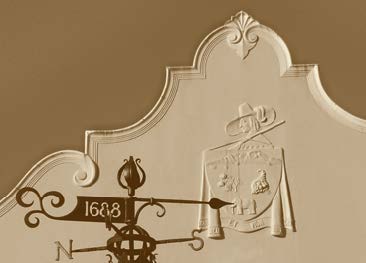
Franschhoek Town Hall: Civic Pride in Cape Dutch Revival Style
At the heart of the village, the Town Hall stands as a confident statement of civic identity. Built in 1935, it is one of the finest examples in Franschhoek of the Cape Dutch Revival style that was enormously popular in South African public architecture during the…
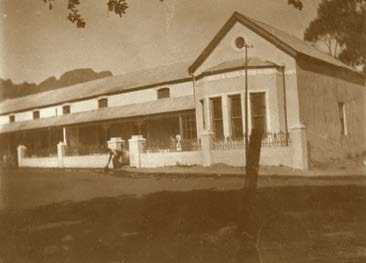
Bethesda: Victorian Home of a Man Who Wore Every Hat in the Village
On Huguenot Road, the eye-catching curve-roofed veranda of Bethesda draws the attention of almost every visitor who passes it. Built around 1880, this Victorian building has a particular kind of charm and an original owner whose life was, by any measure,…
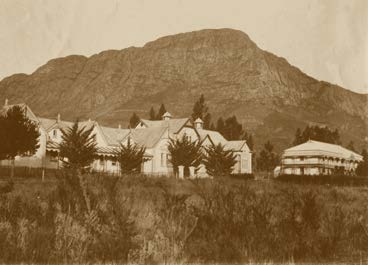
Franschhoek High School: 150 Years of Learning
On the edge of the village, Franschhoek High School has been educating the children of the valley since 1872. Its buildings carry the marks of that long history, and its story of academic ambition, Victorian grandeur, and the gradual loss of original details is as…
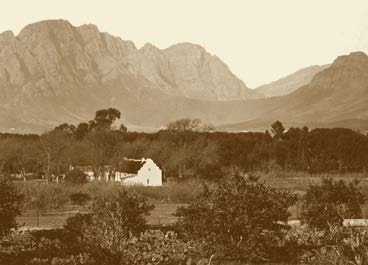
Franschhoek’s Old Cemetery: Reading the Valley’s History in Stone
Tucked behind the village centre, Franschhoek’s Old Cemetery is one of those places where history becomes tangible. The stones here carry the names of families who shaped this valley – Roux, Le Roux, Haumann, Kriel, Hugo, Pepler – and to walk among them is to…