Klein Cabrière: The Homestead You Can’t Quite See
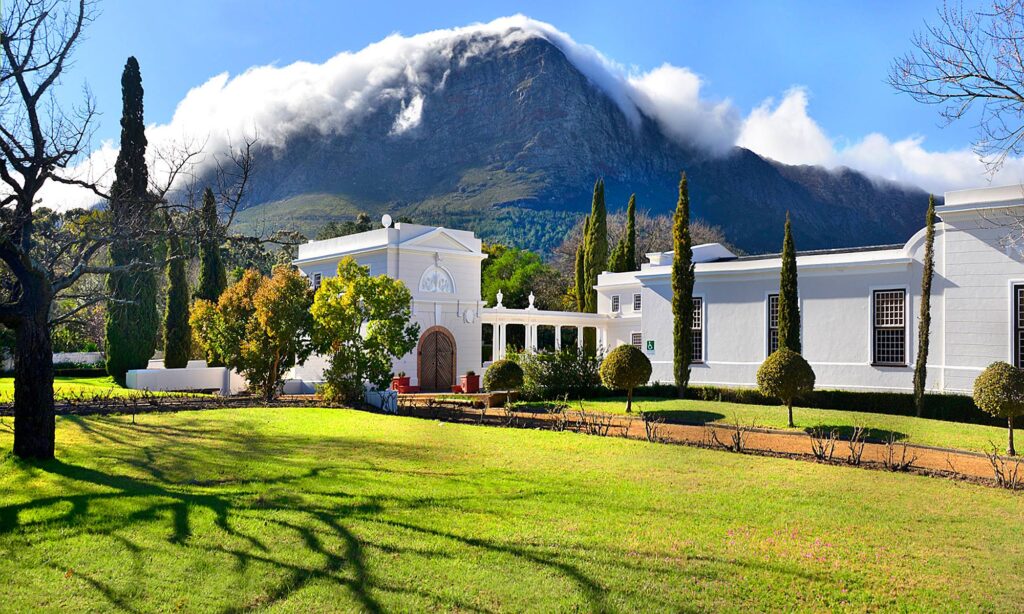
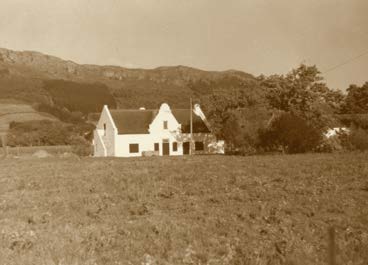
One of the more intriguing properties on Franschhoek's heritage trail is one that most people walk past without knowing it is there. The Cape Dutch homestead on the Klein Cabrière smallholding is not visible from the street as it sits set back from the road, private and unhurried, as Cape Dutch homesteads often were.
A Homestead from 1858
The homestead dates from 1858, placing it firmly in the middle period of Franschhoek's architectural development after the earliest Huguenot-era buildings, but before the Victorian wave that would transform much of the village's domestic landscape in the 1880s and 1890s. It is a Cape Dutch building in the classic tradition: grounded, symmetrical, built to last.
Mill and Schoolhouse
What makes Klein Cabrière particularly interesting is not the main house but an outbuilding on the property that, at one time, served a dual and rather remarkable purpose: it functioned both as a mill and as a schoolhouse.
The combination tells you something about the realities of rural life in the nineteenth century, about the need to make buildings do more than one thing, and about the way in which education and industry were woven together in communities where resources were limited and every structure had to earn its place.