
Cabrière Street: From Huguenot Farm to Heritage Streetscape
The name Cabrière carries its history with it. This street, along with Wilhelmina and Van Wyk Streets, sits on what was originally the Huguenot farm of the same name, land that was granted to one of the first settlers in the valley and that has been gradually transformed, over three centuries, from open farmland to residential neighbourhood.
A Streetscape of Styles
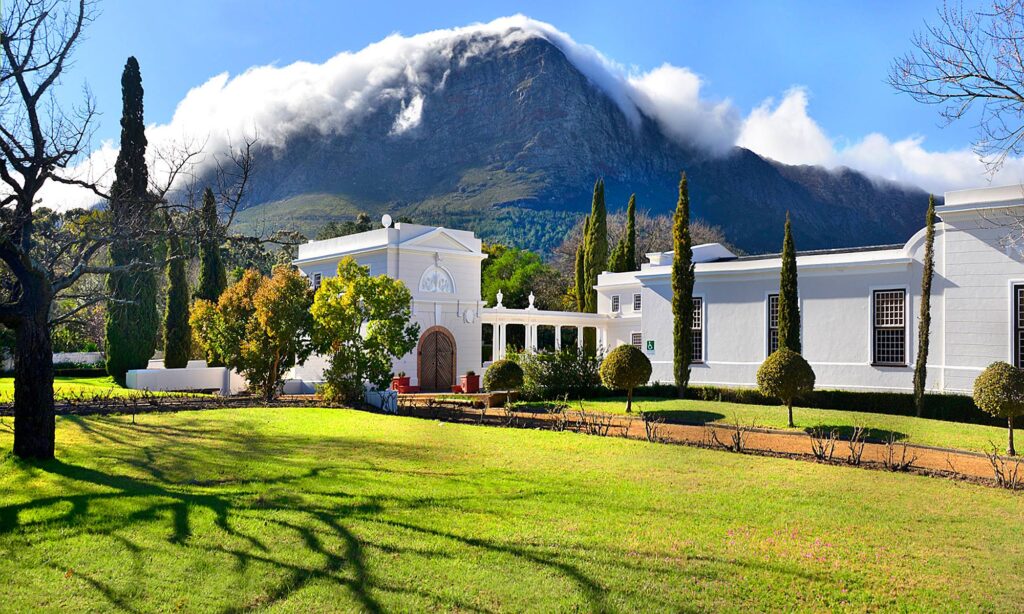
Walking along Cabrière Street today, you move through a layered architectural landscape. The houses range across Victorian and Cape Dutch Revival styles, the two dominant modes of domestic building in Franschhoek from the late nineteenth century into the early twentieth, and together they form a streetscape that feels coherent without being uniform.
Each house reflects the tastes, means and circumstances of the family that built it. Some are modest; some are more substantial. Some have been altered over the years; others retain their original character. Taken together, they are a record of how the valley's residential areas developed as the village grew.
The Farm Workers' Cottages
At the southern end of Cabrière Street, several homes were originally built as farm workers' cottages. A reminder that the land here was not always suburban, and that the people who worked the farms of early Franschhoek also needed homes within the village. These cottages are among the more modest buildings on the street, but they carry a social history that the grander houses do not.
Today
Cabrière Street is a place where the layered history of Franschhoek can be read simply by walking from one end to the other.