La Vieille Cure: Franschhoek’s Oldest Rectory
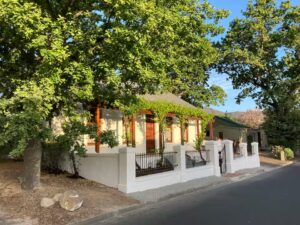
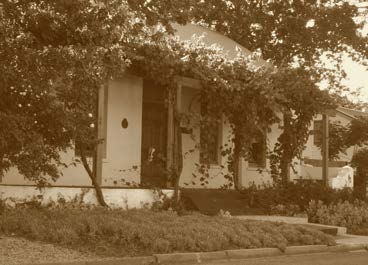
Near the top of Huguenot Road, in what is the oldest part of Franschhoek, stands La Vieille Cure - The Old Rectory. It is one of the most storied houses in the village, and its history is bound up not only with faith and community, but with the kind of local controversy that reveals how deeply people feel about the place they call home.
The Reverend and His Congregation
La Vieille Cure is reputedly the home of Reverend Ham, the first clergyman in Franschhoek. He arrived in the village in 1844, and the house became known as De Oude Pastorie - a name that stuck long after he left.
The Reverend was not a universally popular figure. His relationship with many of his congregants grew strained over the years, in part because of his involvement in a scheme to change the name of the village, a proposal that was met with fierce resistance. By 1864, the situation had become untenable, and Reverend Ham was forced to leave the valley with his family.
A Street of Commerce and Community
The house sits in the oldest section of Huguenot Road, and it was not alone in straddling the line between private home and public life. Most of the first buildings in this part of the street housed businesses at one time or another. Among them were a butchery, a bakery, several shops. This was the commercial and social spine of early Franschhoek, and La Vieille Cure was at its centre.
The house was declared a National Monument in 1981, recognition of its place in the founding story of the village. It stands today as one of the most tangible connections to Franschhoek's earliest chapter and to the complicated, deeply human business of building a community from scratch.
Modern Day Use
Today La Vieille Cure provides self-catering accommodation from which visitors to the Valley can experience its rich heritage first hand.