La Rive and Roubaix House: The Two Houses That Almost Renamed Franschhoek
On Dirkie Uys Street, two houses face each other across the road. They have stood in this quiet opposition since the late 1840s, and together they tell a story that is part domestic history, part village politics and part near-disaster for the name Franschhoek itself.
Two Houses, One River
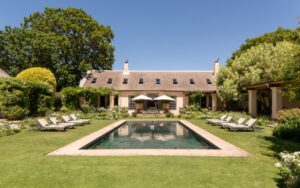
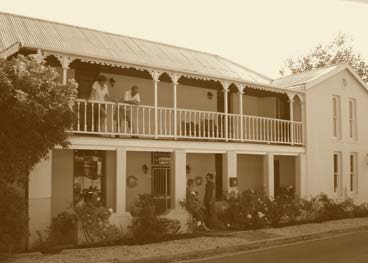
La Rive was one of two homesteads built on the river. Its name, French for "the bank," tells you exactly where it sits in relation to the water. Roubaix House, directly opposite, still retains its original wooden veranda. La Rive, unfortunately, lost its own veranda in an early renovation that lacked sensitivity to the building's character. It is the kind of loss that is irreversible, and that makes Roubaix House's survival all the more significant.
The Man Who Tried to Rename Franschhoek
The oldest part of Roubaix House was constructed between 1855 and 1860 by F C M Voigt, reader and lead singer in the church, and government teacher. He was a man of standing in the community, and evidently a man of ambition too.
In 1859, Voigt instigated an attempt to rename Franschhoek. His chosen alternative was Roubaix Town, after a Member of Parliament, a gesture that combined flattery of the powerful with a degree of personal legacy, given that his own home carried the same name. The Governor approved the change. But the villagers did not. The proposed new name was so unpopular that it quickly reverted to Franschhoek.
Today
Both houses bear their original names, Roubaix and La Rive, to this day. A small, ironic monument to an ambition that the valley decisively rejected.